New Earthquake Fault Discovered
June 17th, 2011 -- Posted in Earthquakes | No Comments »by Victoria M. Johnson
Another earthquake fault was discovered near Truckee, California, a town about 35 miles from Reno. Using laser imaging technology, the scientists with the U.S. Army Corps of Engineers discovered the fault while they were inspecting the Martis Creek Dam, a dam that already had major safety concerns due to considerable leakage and it’s proximity to three fault zones.
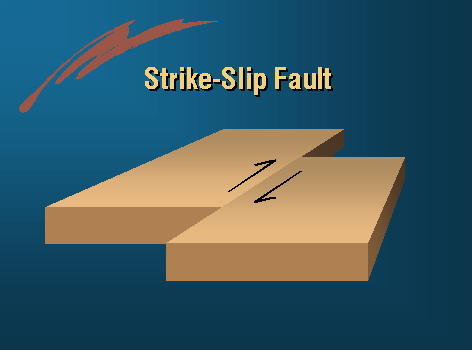
Strike-Slip Fault
Named Polaris, the new fault is an active 22-mile long strike-slip fault. The last time Polaris caused an earthquake was 15,000 years ago. Lewis Hunter, a senior geologist for the U.S. Army Corps of Engineers, says the fault could trigger a 6.5 to 6.9 magnitude earthquake. But because the fault connects to others, the magnitude could be even higher if they ruptured at the same time. Polaris holds the added potential of producing a flood if the Martis Creek Dam is damaged during quake activity.
Though the discovery of Polaris was unexpected, scientists claim there are hundreds of unknown faults around the world.